

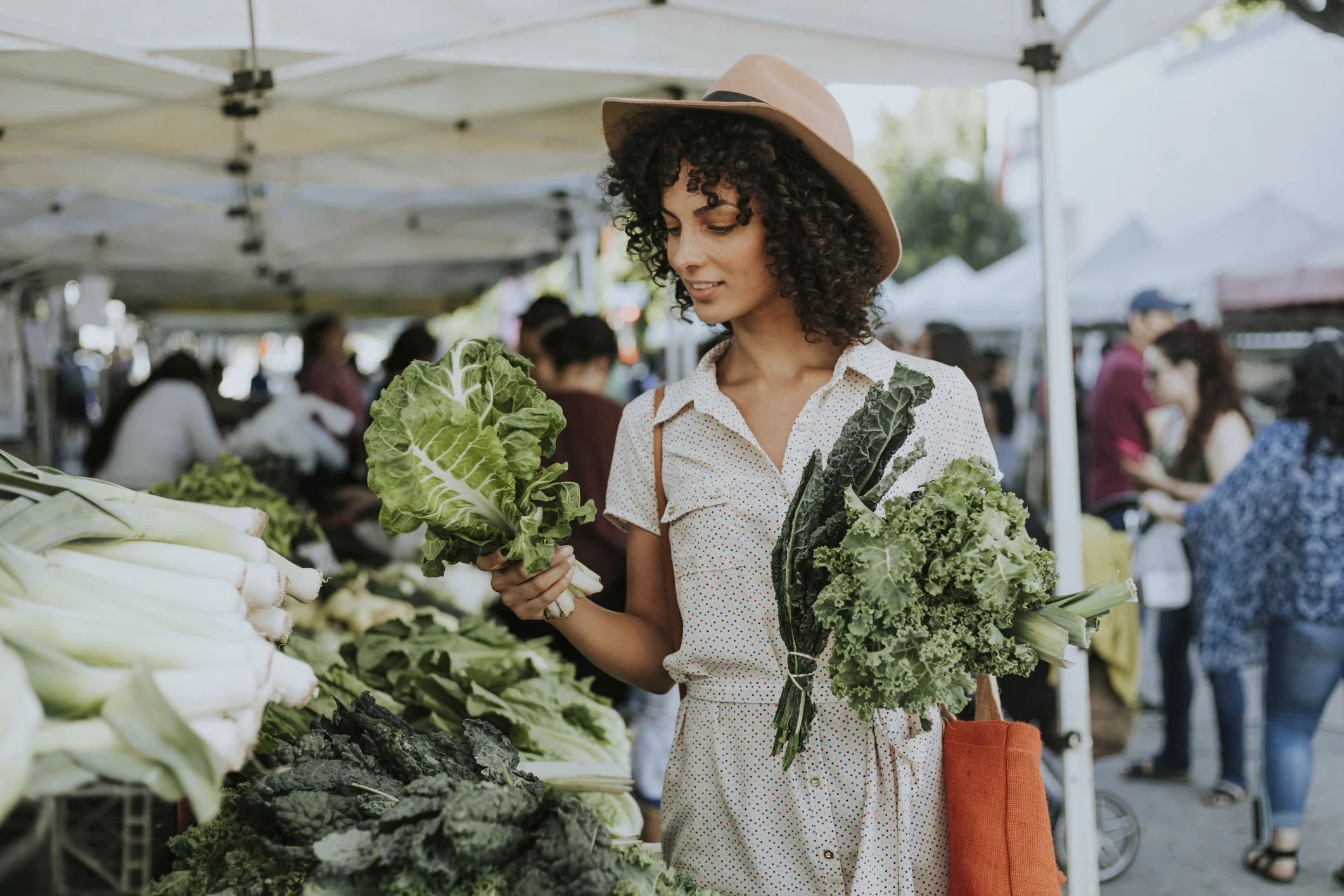
Plant-Based Nutrition
Eating more plant foods doesn't have to mean becoming vegetarian or vegan.
You might simply want to include more legumes, wholegrains, nuts, seeds, vegetables and other plant foods in your diet. Or perhaps you already follow a vegetarian or vegan diet and want confidence that you're meeting your nutritional needs.
At Tailored Dietetics, we help you build a balanced way of eating that reflects your preferences while providing the nutrients your body needs.
Online dietitian consultations are available Australia-wide.
What Does Plant-Based Eating Actually Mean?
Plant-based eating can look different for everyone.
For some people, it means following a completely vegan diet. For others, it may mean vegetarian eating or simply making plant foods a bigger part of meals while continuing to include some animal foods.
There isn't one correct way to do it.
What matters nutritionally is whether your overall diet provides enough energy, protein, vitamins, minerals, essential fats and dietary variety to meet your individual needs.
Getting Enough Protein
Plant foods can absolutely provide protein, but the amount you need and how you distribute it across the day are worth considering.
Plant-based protein sources include:
Legumes such as lentils, chickpeas and beans
Tofu and tempeh
Soy milk and other higher-protein alternatives
Nuts and seeds
Wholegrains
Textured vegetable protein
Seitan
Plant-based protein products where useful
Rather than simply asking whether you're “getting protein”, we can look at how much you're eating, where it's coming from and how it's distributed across your meals.
This can be particularly important when supporting muscle health, healthy ageing or higher activity levels.
Iron
Plant foods contain non-haem iron, which is absorbed differently from the haem iron found in animal foods.
Legumes, tofu, wholegrains, nuts, seeds and some fortified foods can contribute iron to a plant-based diet.
Pairing plant sources of iron with vitamin C-rich foods can improve absorption, while other foods and drinks consumed around meals can influence how much iron is absorbed.
If iron deficiency is a concern, dietary assessment and appropriate medical investigation are important rather than simply starting a supplement.
Vitamin B12
Vitamin B12 deserves particular attention in vegan diets because reliable naturally occurring sources are predominantly animal-derived.
Fortified foods and supplementation can therefore play an important role.
We can look at the foods you're currently eating, fortified products, supplements and relevant blood results to help determine whether your intake is appropriate.
Calcium & Bone Health
Removing dairy doesn't mean calcium has to disappear from your diet, but suitable alternatives need to be chosen deliberately.
Calcium-set tofu, fortified plant milks and other calcium-containing foods can contribute to your intake.
We can assess whether you're getting enough calcium and consider this alongside vitamin D, protein and other factors important for bone health.
Omega-3 Fats
Chia seeds, flaxseeds, walnuts and some other plant foods provide alpha-linolenic acid, or ALA, an essential omega-3 fatty acid.
EPA and DHA are found primarily in marine sources, although algae-derived options are available for people avoiding fish.
Whether supplementation is useful depends on your overall diet and individual needs.
Iodine & Other Nutrients
Iodine can sometimes be overlooked when changing to a plant-based diet, particularly when seafood and dairy products are reduced or removed.
Depending on how you eat, we may also consider nutrients such as zinc, selenium, vitamin D and overall energy intake.
The goal isn't to make plant-based eating feel complicated.
It's to identify the nutrients that actually need attention in your diet.
Plant-Based Doesn't Automatically Mean Nutritionally Complete
A food can be vegan or plant-based without necessarily providing the nutrients you need.
For example, plant-based alternatives to meat and dairy vary considerably in their protein, calcium, vitamin B12, iodine and overall nutritional content.
Learning what to look for on a food label can make it much easier to choose products that contribute meaningfully to your diet.
Building Balanced Plant-Based Meals
Rather than focusing on what you're removing, we look at what your meals need to contain.
Depending on your needs, that might mean combining:
A meaningful source of protein
Wholegrains or another carbohydrate source
Vegetables or fruit
Nuts, seeds, avocado or other unsaturated fats
Fortified foods where appropriate
We can also look at portion sizes, meal timing, snacks and dietary variety so that your eating pattern provides enough nutrition across the day.
Supplements: When Do You Actually Need Them?
Plant-based eating doesn't automatically mean taking a cupboard full of supplements.
Some nutrients, particularly vitamin B12 for people following a vegan diet, require deliberate attention. Other supplements may or may not be appropriate depending on your diet, health, blood results and individual needs.
Rather than supplementing “just in case”, we can identify where food is sufficient, where fortified foods are useful and where supplementation may be appropriate.
Plant-Based Eating That Works for You
Whether you're vegan, vegetarian, flexitarian or simply trying to eat more plants, your diet should still work for your health, lifestyle and preferences.
Dietetic support can help you:
Assess your overall nutritional adequacy
Meet your protein needs throughout the day
Improve iron intake and absorption
Ensure appropriate vitamin B12 intake
Meet calcium needs without relying on dairy
Consider iodine, omega-3 fats, zinc and vitamin D
Choose nutritionally useful plant-based alternatives
Understand when fortified foods or supplements may be needed
Build balanced meals without unnecessary restriction
Increase plant foods while keeping eating enjoyable and manageable
You don't need to follow a particular label or eat perfectly.
The aim is to help you eat in a way that aligns with your preferences while making sure your nutritional needs aren't being left behind.
Ready to Take the Next Step?
Explore personalised dietitian consultations and find the level of support that suits you.